Custom Restaurant Tables: Design, Materials, And Manufacturing Guide
- Share
- publisher
- Lisa Liang
- Issue Time
- Nov 24,2026
Summary
How custom restaurant tables are designed and manufactured: top materials, finish tolerances, concept-specific geometry, manufacturer vetting, budgeting and lead times, plus custom table numbers.
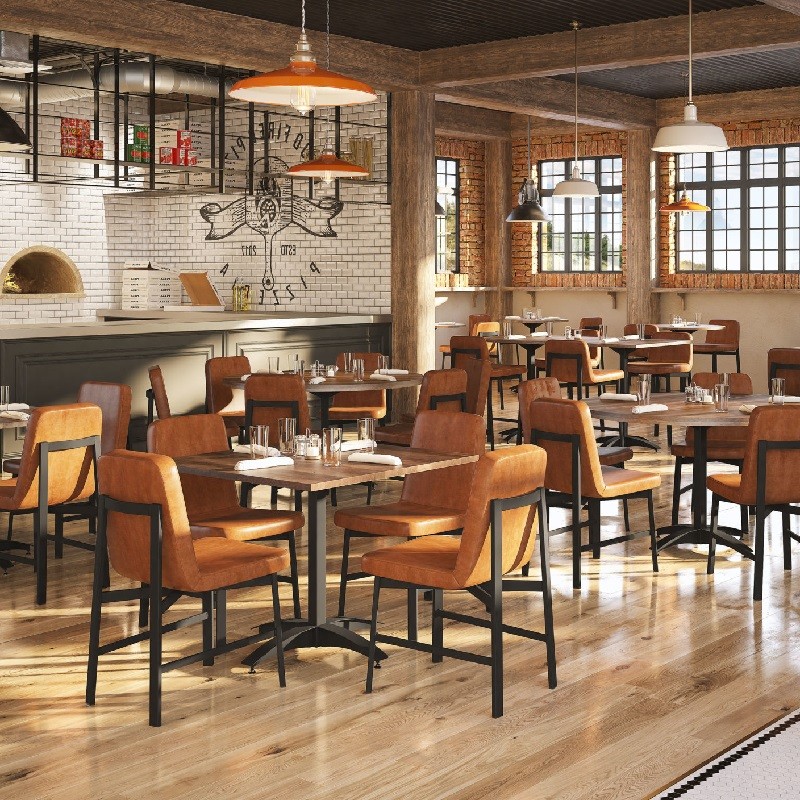
A custom restaurant table is a specification, not a drawing. The drawing fixes the look; the specification fixes the top substrate, the finish, the edge radius, the base load rating and the colour tolerance, and it is the specification that determines whether the fortieth table matches the first. Custom work is worth the premium when the table carries brand recognition, solves a layout problem that standard sizes cannot, or must survive a duty cycle above what stock furniture is tested for. It is not worth it when a standard 30 x 30 inch top with a bespoke finish achieves the same visual result. For specification questions beyond the scope of this article, see the CDG FAQ library. Focus Topics In This Guide custom restaurant tables · custom restaurant table tops · custom made restaurant tables · custom restaurant dining tables · custom restaurant table · custom table tops for restaurants · custom wood restaurant table tops · custom table numbers restaurant · custom restaurant table numbers How custom restaurant tables are designed and manufactured: top materials, finish tolerances, concept-specific geometry, manufacturer vetting, budgeting and lead times, plus custom table numbers. A custom table does three jobs that a catalogue table cannot. It carries a recognisable silhouette into photographs, it fixes a dimension that the floor plan needs (a 1,850 mm banquette table, a 640 mm café two-top), and it lets the brand own a finish that competitors cannot buy off the shelf. The commercial argument is measurable. Dining rooms are photographed, posted and reviewed far more than they are measured, and a distinctive table appears in every guest photo. On a multi-site rollout, one custom geometry also removes the recurring design fee and the re-selection time at each new location, because the specification is already approved. The limit is equally real: custom furniture raises the cost of change. Once 400 tables share a bespoke top edge and a bespoke base plate, a later redesign is a re-tooling project, not a re-order. Customise the elements that carry brand meaning and keep the wearing parts — glides, seat pads, base plates — on standard platforms. The top is where custom work succeeds or fails. Four substrates cover most briefs: solid hardwood, veneered plywood, high-pressure laminate (HPL) and compact laminate. Each has a different relationship with heat, moisture, impact and repair. Hardwood hardness is measurable rather than subjective. At 12 percent moisture content, USDA Forest Products Laboratory data gives Janka side hardness of 1,010 lbf for black walnut, 1,290 for northern red oak, 1,360 for white oak and 1,450 for hard maple. A walnut top is chosen for colour, not for dent resistance; a maple top is chosen when the room will be busy. For any plywood or MDF substrate, formaldehyde compliance is a legal requirement in the United States, not a preference. TSCA Title VI and CARB ATCM Phase II set the same limits: 0.05 ppm for hardwood plywood, 0.09 ppm for particleboard, 0.11 ppm for MDF. Ask for the panel producer's certification, not a generic statement. Table 1. Custom top substrates compared for restaurant use. Concept dictates geometry more than style does. A brasserie needs 1,200 mm rounds for four and a 30 inch height for relaxed seating; a fast-casual concept needs 700 mm squares that combine into a communal run; a hotel lobby bar needs 42 inch high-tops at 600 mm depth so guests face the room rather than each other. Build the table schedule from the seating chart, then let the custom element solve the awkward 15 percent of the room. It is usually cheaper to customise six tables that fix a bay window or a column than to re-plan the whole floor around standard sizes. For a chain, restrict the schedule to three top sizes and two heights. Every additional size adds a base SKU, a spare part and a training note, and the operational cost compounds across every site in the rollout. Table 2. Concept-to-geometry mapping. The working relationship has five handoffs, and most failures happen at the second one. The sequence is brief, drawing, sample, pre-production approval and production. A factory that skips the drawing approval and goes straight to a sample is guessing with your money. Ask for a production drawing with dimensions, tolerances and materials listed, not a rendered image. Then approve a physical sample and retain it, sealed and labelled, as the colour and finish reference for the whole order. On a multi-site programme, keep the approved sample at the factory and at your office. The most common complaint in year three is not that a table broke, but that the tables no longer match each other. Table 3. Custom table approval gates. Related CDG Resources By Topic Commercial Furniture Customization: custom restaurant tables · custom made restaurant tables · custom restaurant table · custom table numbers restaurant · custom restaurant table numbers Table Tops: custom restaurant table tops Indoor Sets: custom restaurant dining tables Thick Solid Wood Countertop: custom table tops for restaurants Oak Wood Dinning Table: custom wood restaurant table tops Custom cost sits in three places: tooling (a new edge profile or base casting), sampling (a one-off top and finish panel), and batch size (a small run pays the same set-up as a large one). The table itself is rarely the expensive part; the set-up is. Budget the programme as a whole rather than per unit. A 60-table independent restaurant and a 600-table rollout may pay a similar tooling charge, so the per-table premium on the small order can be several times higher. Ask for the tooling line separately so you can see what is one-off and what is unit cost. Lead times follow the same logic. Sample approval takes 15-25 days for a new model, production 30-45 days, and sea freight 25-35 days to most markets. A custom table programme therefore runs 12-16 weeks from approved drawing, and any promise shorter than that is either using stock components or planning to skip a gate. Table 4. Where custom budget goes. Table numbers are the smallest custom item and the one guests touch most often. A brass engraved disc, a laser-etched wooden block or a printed laminate tag all work, but they need to survive cleaning chemicals and daily mopping. Decide the numbering logic before the hardware. If the floor plan uses zone-based numbering (B12 for bar, T04 for terrace), the tags must be replaceable without re-making the table. If the numbering is part of the brand theatre, make it part of the top surface and accept the replacement cost. Match the numbering finish to the table finish, not to the wall graphics. A brushed brass tag on a hardwax-oiled oak top reads as intentional; the same tag on a matte white HPL top reads as an afterthought. Premium wood tops are bought for grain, not for hardness. Specify the species, the cut (flat sawn, quarter sawn, rift), the grade and the moisture content, then agree how the grain will be sequenced across a batch. On a 20-table order, unsequenced grain looks like a mistake. Finish choice matters more than species on a busy table. Hardwax oil is repairable in situ and looks natural; a conversion varnish is harder and more chemical-resistant but needs a workshop repair. For a room running 200 covers a day, the harder finish usually wins. Thirty to forty millimetres is the practical thickness band for a solid top that will not bow across a 1,200 mm span. Below 30 mm, use a veneered or HPL top with a balanced core rather than a thin solid slab. Four directions that repeat well in commercial settings: a 40 mm oak top with a 6 mm chamfered edge and a dark hardwax oil; a compact laminate top with a through-colour terrazzo core for wet bar zones; a veneered top with a 15 mm rounded edge and a matte lacquer for a softer, hospitality feel; and a two-tone top that pairs a stone-print HPL face with a solid wood edge to imply thickness at lower weight. Whatever the direction, keep one constraint: the edge must be repairable or replaceable. Guests touch edges, trolleys hit them, and a distinctive edge profile with no repair path becomes a whole-table replacement. The figures quoted in this guide are working ranges used in pre-order reviews. The charts below render the article data visually so a specification team can compare bids against the same numbers; confirm every threshold against the project brief and the purchase order before a deposit is paid. We will translate it into a table schedule, a production drawing set with tolerances, a finish panel and a sealed sample, then quote tooling separately from unit cost so you can see exactly what is one-off. For chains, we will hold your approved sample at the factory and match every repeat order against it. Send the plan, the seat mix and any reference photography to lisaliang@cdgfurn.com, or message +86 139 2610 3331 (WhatsApp / WeChat). Export office: +86 20 3693 3270. Contact Lisa Liang directly if you want the drawing reviewed before you commit to a sample. That conversation usually saves more than the sample costs. Continue with the inquiry form, the contact page, the restaurant furniture catalog and the CDG Blog. custom restaurant tables is the subject of this guide. The figures below are the working ranges used in CDG pre-order reviews; confirm every threshold against the project brief before a deposit is paid. Allow 12-16 weeks: 15-25 days for sample approval, 30-45 days for production and 25-35 days for sea freight, plus drawing time before the sample. Custom edges and new base castings add 10-15 days for tooling. Only if the specification says so. Custom refers to geometry and finish, not to durability. A custom table built on an untested base is less durable than a stock table that has passed EN 15372 or BIFMA testing. Approve a sealed physical sample, agree a colour tolerance such as Delta E ≤ 2.0 against it, and require a batch colour check at pre-production. Keep one reference sample at the factory and one at your office.Quick Answer: When Is A Custom Restaurant Table Worth The Premium?
Benefits of Custom Restaurant Tables for Brand Identity
Custom Restaurant Table Tops — Materials and Finishes
Substrate Thickness band Janka / wear data Finish options Best for Solid oak / maple 30-40 mm 1,290-1,450 lbf Hardwax oil, conversion varnish Premium dining, bar tops Solid walnut 30-40 mm 1,010 lbf Oil, lacquer Lounge, wine bar, aesthetic-led rooms Veneered plywood 18-25 mm Depends on face veneer Veneer + 2-pack lacquer Chain rollout needing consistent grain HPL on plywood 0.7-2.0 mm HPL + 18 mm core ≥150 wear cycles (EN 438-2) Matte, texture, woodgrain, stone print High-traffic, seven-day operation Compact laminate 8-12 mm solid ≥150 wear cycles (EN 438-2) Through-colour core Outdoor-adjacent, wet zones 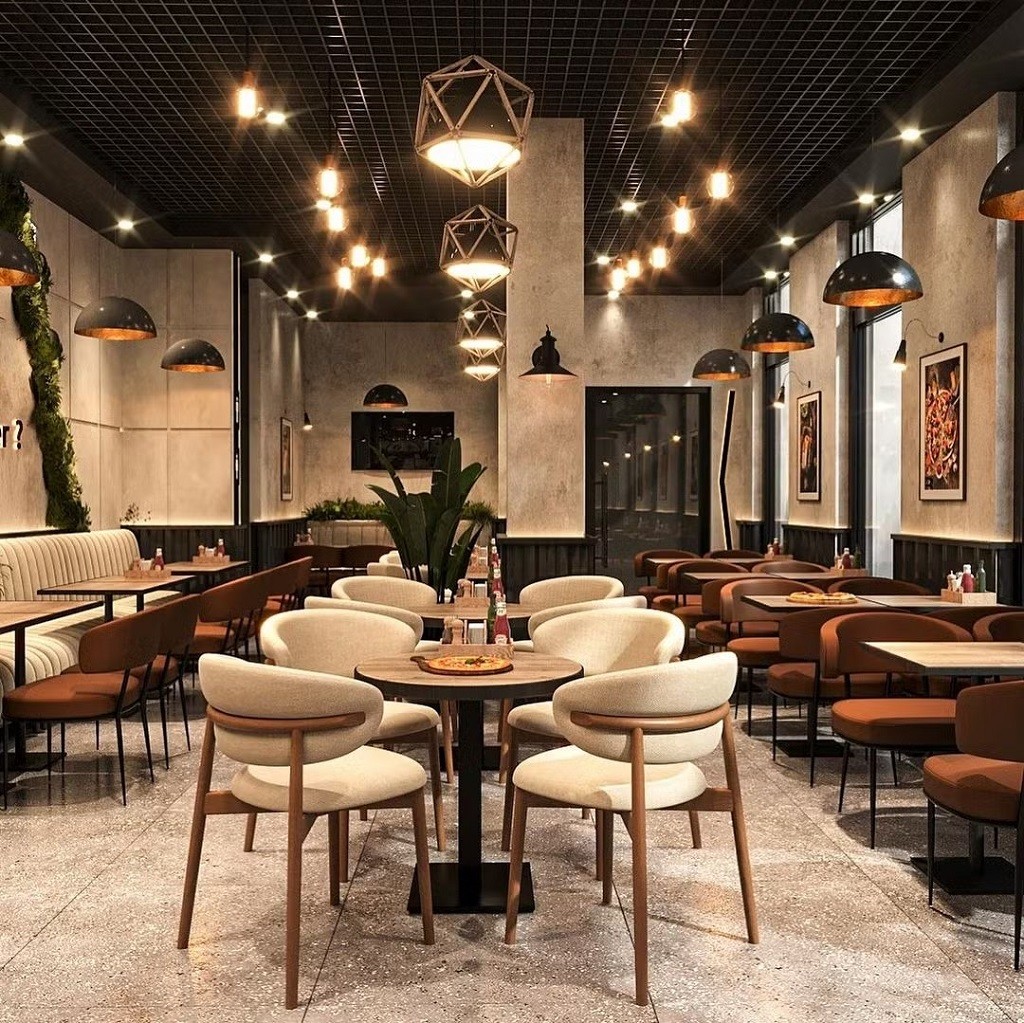
Custom Restaurant Dining Tables by Restaurant Concept
Concept Dominant sizes Height Edge Base Fine dining 1,070-1,220 mm round 30 in / 762 mm Rounded 10-15 mm Pedestal, concealed Casual brasserie 750-900 mm square / round 30 in Square or 6 mm radius 4-leg or twin Fast casual 700-750 mm square, communal runs 30 in Square Twin or 4-leg Hotel bar / lounge 600 mm round, 1,400 x 600 mm communal 42 in / 1,067 mm Rounded Bar-height column Café 600-700 mm round 30 in or 36 in Rounded Single column Working with a Custom Made Restaurant Tables Manufacturer
Gate Document What you sign off Typical duration Brief Specification sheet Sizes, quantities, traffic band 3-7 days Drawing Production drawing Dimensions, tolerance, edge, base 5-10 days Sample Physical sample + finish panel Colour, gloss, texture, joint 15-25 days Pre-production Colour batch and panel check Batch consistency, label 2-3 days Final Inspection report AQL sample, packaging, marks 2-5 days Custom Restaurant Table — Budgeting and Lead Times
Cost line One-off or unit Driver How to control it Tooling / edge profile One-off New knife or mould Reuse a profile from the standard range Sample and finish panel One-off New colour match Approve one colour family, not five Top material Unit Species, thickness, HPL grade Fix thickness band before quoting Base Unit Load rating, finish Use a tested platform base Freight Unit Volume and stackability Design for nesting or stacking 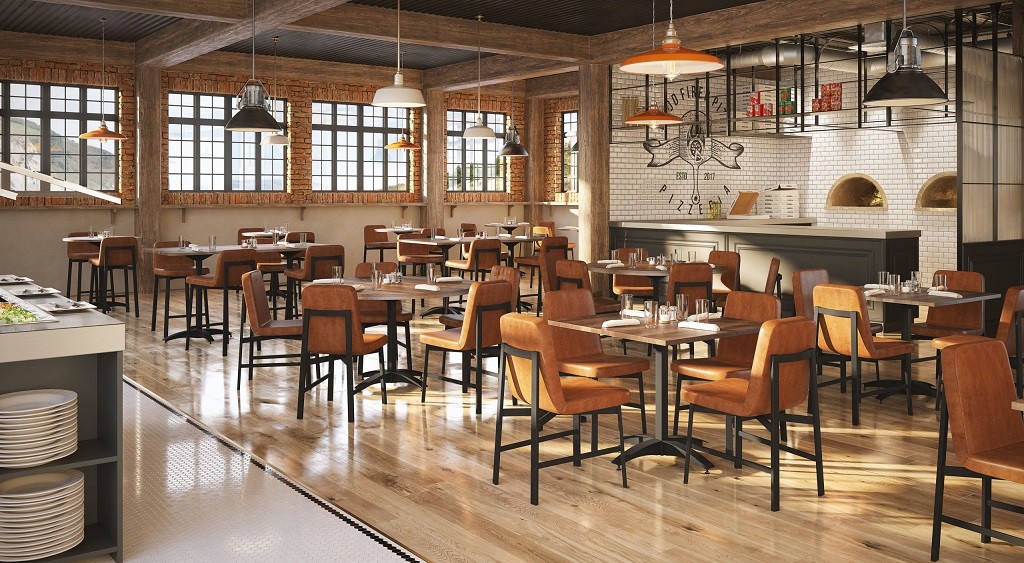
Custom Table Numbers and Restaurant Branding
Custom Wood Restaurant Table Tops for Premium Dining
Custom Table Tops for Restaurants — Design Inspiration
Data In Charts: Custom Table Numbers That Matter
Janka Side Hardness Of Commercial Hardwoods (lbf, 12% MC)
Formaldehyde Limits: TSCA Title VI / CARB Phase II (ppm)
Custom Table Approval Gates (Days, Midpoint)
Programme Lead Time By Stage (Days, Midpoint)
Send Us Your Brand Book and Floor Plan
Answer-First Reference: Custom Table Tolerances
How long does a custom restaurant table take from drawing to delivery?
Is a custom table more durable than a catalogue table?
How do I keep colour consistent across repeat orders?
Key Takeaways Worth Quoting