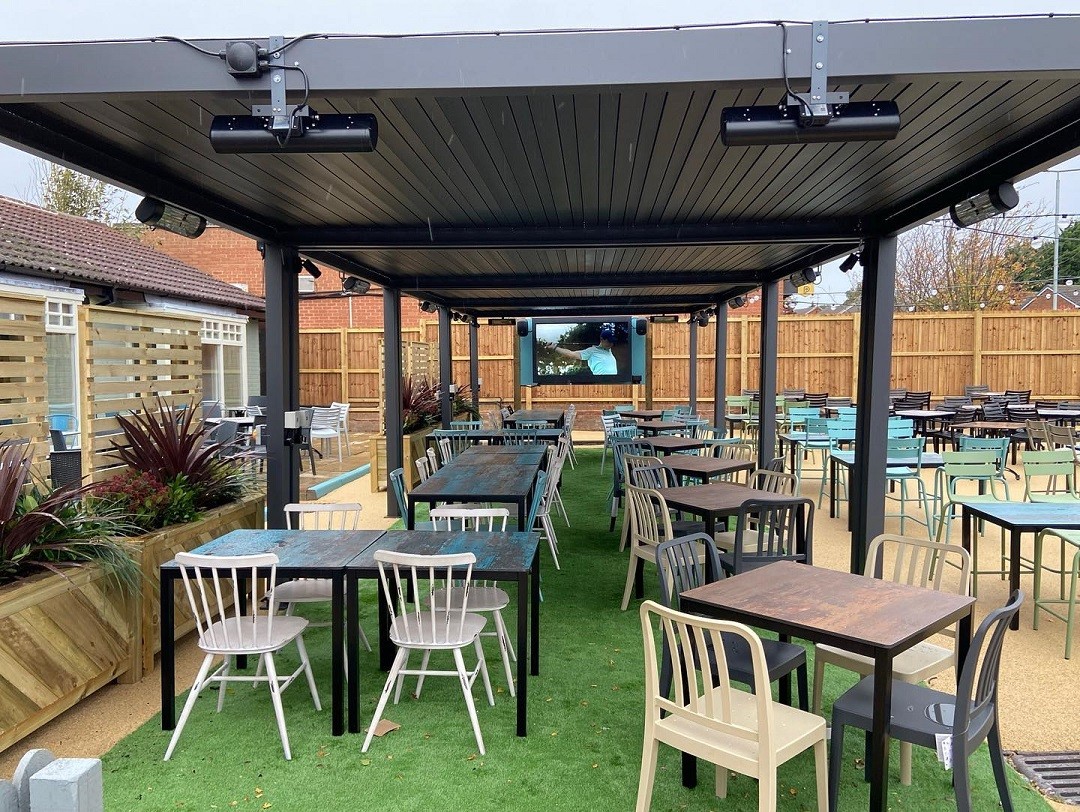
Outdoor Chairs Wholesale: Metal, Resin & Stackable Chairs Built for Commercial Use
- Share
- publisher
- CDG Furniture
- Issue Time
- Nov 3,2026
Summary
Commercial outdoor chairs wholesale: metal, resin & stackable. Specs, buying guide & factory-direct pricing.
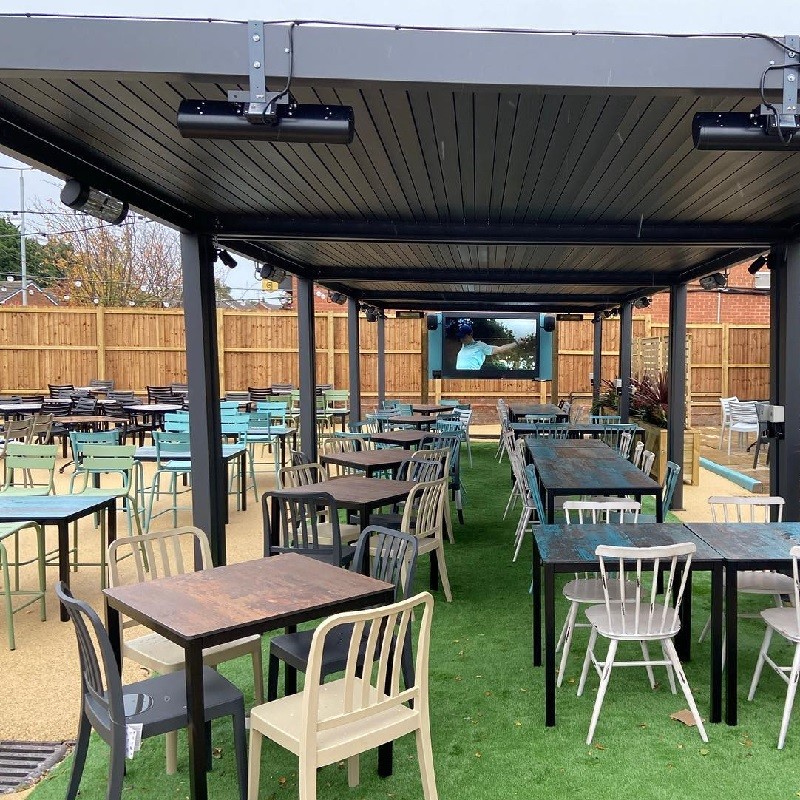
A residential patio chair is bought for a backyard. A commercial outdoor chair is bought for a business case. It must survive being sat in by dozens of different guests a day, dragged across concrete, stacked at closing time, hosed down after service, and left in direct sun or salt air for years without the operator budgeting for a mid-season replacement. That distinction is the starting point for every serious wholesale conversation. CDG Furniture has spent close to two decades manufacturing contract-grade seating for hospitality buyers in more than 160 countries, and the single most common sourcing mistake we see is still the same: a buyer compares chair prices without first comparing how those chairs were specified.
This guide is written for the procurement teams, importers, and project buyers who are not shopping for a single chair. It covers what commercial outdoor chairs are actually tested against, how metal and resin compare for different venue types, why stackability changes operating economics, and how to evaluate a wholesale quote beyond the unit price.
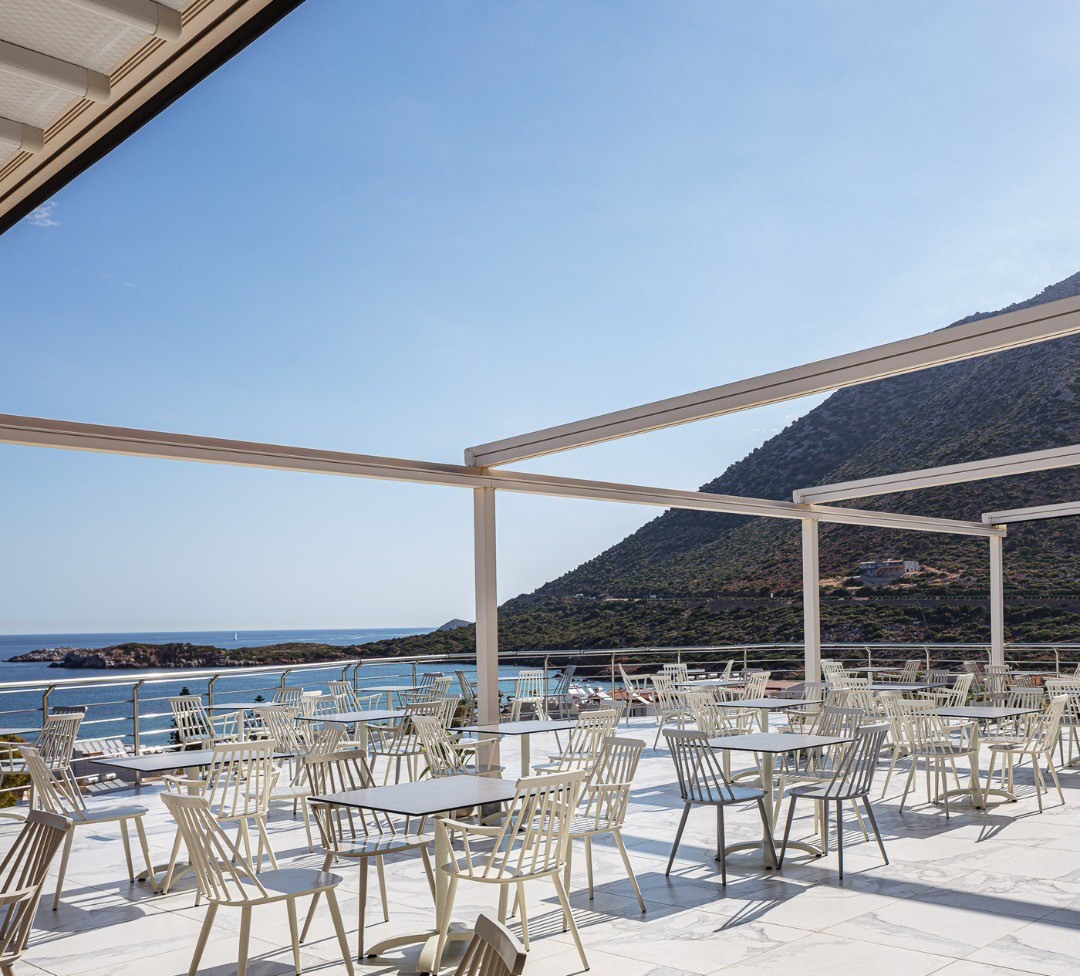
Commercial Outdoor Chairs: What Separates Contract Seating from Home Furniture
The phrase “commercial grade” is used loosely across the industry. In verifiable terms, it describes a combination of wall thickness, alloy or polymer specification, coating performance, and documented test evidence. A residential aluminum dining chair commonly uses 1.0–1.2 mm tube. That is acceptable for a homeowner who moves the chair twice a season. It is not acceptable for a hotel terrace where the same chair is stacked, dragged, and loaded by hundreds of guests every week. Commercial-grade aluminum frames should start at 1.5 mm for visible structural components and move to 2.0 mm or above for load-bearing parts such as chair frames and bases.
The testing standards are equally specific. Contract seating for European hospitality references EN 581-1/-2, which evaluates structural load and durability with defined forces applied to the seat, backrest, and armrest. In North America, ANSI/BIFMA X5.4 and ASTM F1858 are the relevant references. For coastal and poolside projects, powder-coated aluminum should exceed 1,000 hours of neutral salt spray under ASTM B117, and UV exposure should be validated to ASTM G154 with colour shift controlled within a defined tolerance. If a supplier cannot put those numbers on paper, “commercial” is a marketing word, not a specification.
For wholesale buyers, the practical takeaway is that commercial outdoor chairs should be evaluated on test evidence, not on showroom appearance. A chair that looks identical to a contract model but uses thinner tube and a riveted joint will loosen and corrode within a season, and the replacement cost lands on your account, not the factory's.
Metal Stacking Chairs for Outdoor Dining: Aluminum, Steel, and the Space-Saving Argument
Metal stacking chairs outdoor programs are the backbone of bistro, café, and restaurant terraces because they solve two problems at once: they handle heavy daily rotation, and they allow staff to clear a patio quickly at closing or before weather events. Most commercial outdoor frames stack 4 to 8 high, and a stack of eight polypropylene or aluminum chairs occupies significantly less floor space than three or four unstacked timber chairs.
Within stackable metal outdoor chairs, the material split between aluminum and steel determines where each belongs.
Aluminum Frames: Corrosion Immunity and Operational Speed
Powder-coated aluminum is the default frame for the majority of commercial outdoor chairs, and for good reason. It does not rust, it weighs roughly 30–50% less than a comparable steel frame, and it accepts powder-coat finishes that can be matched to a brand palette in matte, textured, or wood-grain effects. For coastal and poolside venues, aluminum eliminates the weld-point rust risk that appears in powder-coated steel within the first season in humid climates. The practical operational benefit is that a 3–5 kg aluminum chair is easier for staff to move and stack during high-turnover service than a 7–12 kg steel chair.
Steel Frames: Wind Stability and Load Capacity
Galvanized or e-coated steel is heavier and more wind-stable, which matters on exposed rooftops and covered patios where lightweight seating can shift in a gust. Steel also carries higher weight ratings in many commercial specifications. The trade-off is corrosion management: steel demands more attention to coating integrity, particularly at weld points and scratch edges, and it adds freight weight to every container.
Aluminum and Steel Frames: Rust Resistance Explained
The corrosion question is not simply “aluminum rusts, steel does not.” Steel rusts when moisture reaches bare metal through coating damage. Aluminum does not rust in the ferrous sense, but it can oxidize and chalk if the powder coat is compromised. For coastal programs, the specification should call for 500+ hours of salt spray on aluminum and 1,000+ hours on stainless steel or premium coated systems, with test reports tied to production units, not prototypes.
Resin Outdoor Chairs: Colour, Comfort, and Low-Maintenance Volume
Not every wholesale program needs a metal frame. Outdoor resin chairs — specifically UV-stabilised polypropylene and glass-fibre reinforced resin — are the workhorse of high-volume commercial seating in markets where maintenance labour is limited and colour consistency matters across large installations.
Modern commercial outdoor chairs in resin are a different product category from the thin, fading plastic chairs of a previous generation. Commercial-grade polypropylene is UV-stabilised through the material rather than applied as a surface coating, so colour does not chip or flake. The better ranges use glass-fibre reinforcement and perforated back patterns that read as designed furniture rather than moulded utility seating. Resin chairs are fully stackable, virtually maintenance-free, and handle rain, sun, and salt air without rusting, rotting, or needing refinishing. A hose-down at the end of service is typically the full maintenance requirement.
For resin outdoor chairs in a wholesale program, the relevant specifications are UV stability, stack height, and load rating. Commercial resin seating is commonly rated well beyond residential expectations, and the stack economics are favourable: resin chairs can often stack higher than metal frames, which reduces storage footprint in venues that reconfigure their floor plans daily.The limitation is aesthetic and thermal rather than structural. Resin is not the material for a premium steakhouse terrace seeking a metal-and-wood visual language. It is the material for a beach club, an event venue, a cruise line, or a multi-property café group that needs consistent colour, low replacement rates, and minimal staff training on furniture care.
Outdoor Chair Buying Guide: Height, Weight Capacity, and Stacking
For outdoor restaurant chairs and bistro chairs outdoor programs, three specification points separate a smooth rollout from a costly return.
Height: Matching Seat to Surface
Outdoor patios usually mix dining height with bar or counter rails. Standard dining chairs sit at approximately 18 inches seat height; counter stools at 24–26 inches; bar stools at 29–30 inches. Allowing 24 inches of rail per seat prevents guests from sitting elbow to elbow. A wholesale order that mixes heights without matching table or rail dimensions creates an operational mismatch that no chair quality can fix.
Weight Capacity: Beyond the Minimum Test
Commercial outdoor chairs should be specified with a rated static load that reflects real venue use, not the minimum required to pass a basic test. Target a rated static load in the 110–160 kg range and confirm that the factory tests production units, not only prototypes. For heavy-duty programs, commercial seating rated at 300 lbs (136 kg) or above is the appropriate floor.
Stacking: Labour Economics and Storage Footprint
Stack height is not just a storage convenience; it affects labour cost, patio clearing speed, and replacement logistics. A program that stacks 6–8 high allows a venue to clear a terrace for cleaning or weather in a fraction of the time required by unstackable frames. Confirm the stack count against the actual frame geometry and packaging plan, not a catalogue claim.
For commercial outdoor seating across multiple properties, the specification should also address finish consistency. A powder-coat batch that reads slightly different between container one and container three creates a visible mismatch on a terrace with forty chairs. Wholesale suppliers who control their own coating lines and retain colour standards can prevent this; trading companies who source from multiple finishing shops cannot.
Wholesale Outdoor Chairs: How CDG Prices Bulk Seating and Supports Procurement Teams
CDG Furniture is an Outdoor Furniture Manufacturer and Outdoor Chairs Supplier with 19 years of custom manufacturing experience and a product range covering all-aluminum dining collections, metal stacking chairs, resin seating, and woven rope outdoor sets. The factory holds Alibaba Verified Supplier status alongside EN 581, EN 16139, BSCI, and ASTM G154 certifications, and exports to more than 160 countries.
For wholesale buyers, the quotation logic is tied to four variables. Frame specification determines material cost: 1.5 mm versus 2.0 mm aluminum, 6063-T5 versus generic recycled alloy, and the coating system required for the destination climate. MOQ and mixed-container consolidation determine freight efficiency; a program that combines stackable metal frames with resin seating or outdoor restaurant chairs in one container spreads fixed logistics cost across more SKUs. Finish customisation — colour matching, texture selection, and logo or hardware changes — is quoted against tooling and batch size. Test documentation for the target market, whether EN 581 for Europe or BIFMA references for North America, is part of the production scope, not an afterthought.
If you are evaluating Outdoor Chairs Wholesale for a hospitality project, a multi-property rollout, or a distribution program, the fastest path to a meaningful quote is a written specification: venue type, climate exposure, seat height mix, target weight capacity, stack requirement, estimated volume, and destination port. Send that brief to the CDG wholesale team and you will receive a factory-direct proposal with material options, MOQ thresholds, lead-time windows, and the test reports that support each claim. You can review the current Outdoor Chairs Wholesale range and the broader Outdoor Furniture Wholesale program before you write the brief, but the specification is what turns a catalogue page into a deliverable program.
Before You Request Pricing: A Shortcut for Serious Buyers
Most wholesale inquiries arrive as a single question: “What is your best price for outdoor chairs?” That question cannot be answered accurately without knowing whether the chair is for a rooftop bar in Dubai, a poolside café in Florida, or a distribution warehouse in Northern Europe. To make the first conversation productive, CDG offers a Wholesale Patio Chair Specification Worksheet for qualified buyers. It captures the six inputs that actually move the quote: venue profile and climate, frame material preference (aluminum, steel, or resin), stack height and storage constraints, target load rating, finish or colour requirements, and estimated first-order volume with destination port.
Buyers who submit the completed worksheet receive a project-specific material recommendation and indicative wholesale pricing rather than a generic catalogue price list. If you are sourcing commercial outdoor chairs for an opening date or a seasonal reset, request the worksheet and include your timeline; the team will flag which configurations fit standard production windows and which require early material booking.