Outdoor Bar Stools: The 2026 B2B Guide to Commercial Grade Bar Seating
- Share
- publisher
- CDG Furniture
- Issue Time
- Nov 3,2026
Summary
2026 B2B guide to commercial outdoor bar stools: sizing, weatherproof materials, swivel/back options, wholesale supply.
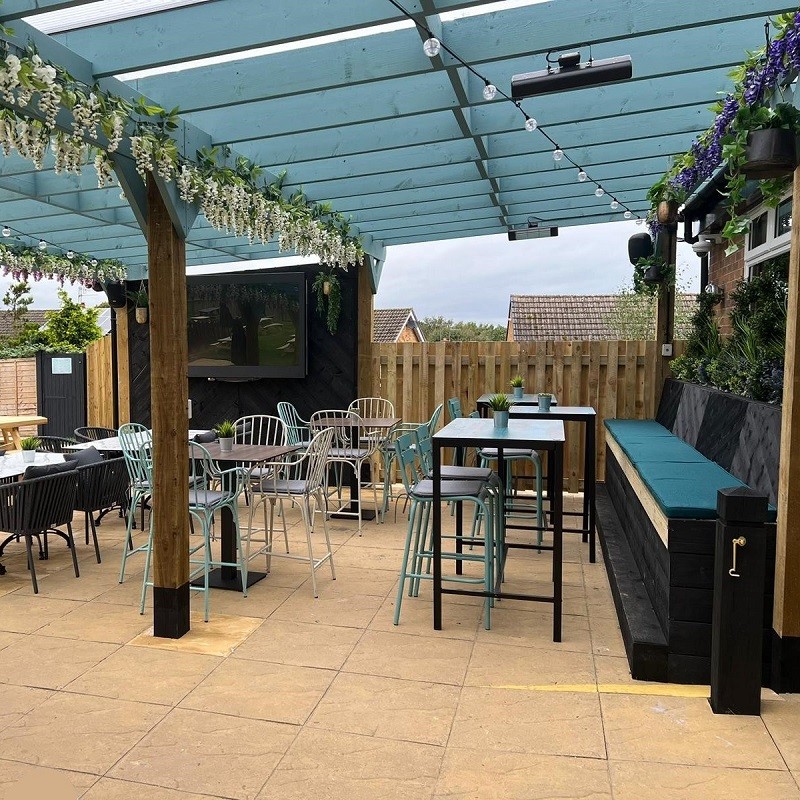
If your outdoor bar table top is 42 inches high, specify outdoor bar stools with a seat height of 29–30 inches. If your counter or ledge runs 36 inches, counter-height stools at 24–26 inches are the correct specification. For commercial outdoor use, the default frame material is powder-coated aluminum; the default seat is UV-stabilized resin or quick-dry mesh. Specify residential-looking stools for a commercial patio, and you will replace them within two seasons.
This guide is written for the people who actually make patio seating decisions: outdoor restaurant owners, rooftop bar operators, poolside venue managers, and hospitality procurement teams sourcing across borders. It covers what the 2026 commercial market expects — and where most buying decisions go wrong.
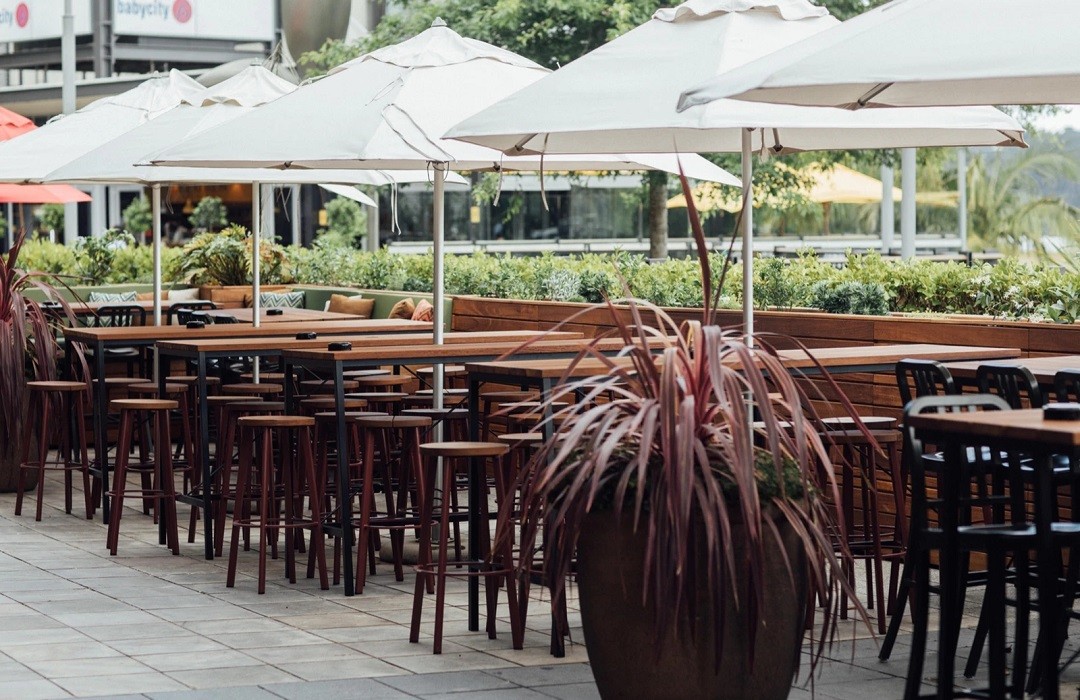
Outdoor Bar Stools vs. Indoor Bar Stools: The Differences Buyers Cannot Ignore
An indoor bar stool is a seating product. An outdoor bar stool is a weather-exposure product that happens to provide seating. The distinction matters at the specification stage, not the replacement stage.
Indoor stools prioritize upholstery hand-feel and decorative finishes. Outdoor stools must survive UV loading, rain events, chlorinated splash zones, salt air, and nightly hose-downs without delaminating, rusting, or fading into a color nobody approved. The single biggest mistake operators make is buying an indoor frame with an “outdoor-looking” finish.
The practical differences show up in four places: the frame alloy and coating system, the seat material and drainage path, the footrest specification, and the hardware. A commercial-grade outdoor bar stool will typically carry a weight capacity of 300–600 lbs, stack for storm response and off-season storage, and use stainless or coated hardware that does not bleed rust onto a patio floor.
Bar Height vs. Counter Height Outdoor Stools: Getting the Sizing Right the First Time
Mismatched heights are one of the most common — and most visible — venue fit-out errors. The sizing rules are simple, but they are routinely misapplied when a buyer orders from a photo instead of a dimension sheet. The standard rule: your stool seat should sit 9 to 13 inches below the top of your counter or bar surface[reference:0].
| Surface Height | Correct Stool Type | Seat Height Range |
|---|---|---|
| 40–42" bar top | Outdoor bar height stools | 29–30" |
| 34–36" counter or ledge | Outdoor counter height bar stools | 24–26" |
| 30" standard dining table | Dining height (not bar) | 18" |
Leave roughly 10–12 inches between the seat and the underside of the bar, and plan about 24 inches of bar run per stool so guests are not elbow-to-elbow. For outdoor venues that mix a dining rail with a bar rail — a common layout for sidewalk cafés and pool decks — specify both heights from the same frame family so the sightline stays intentional rather than improvised.
Materials That Actually Survive Sun, Rain, and Salt Air
The material decision is an environment decision. A rooftop in Dubai and a beachfront bar in the Caribbean do not stress a stool the same way, and the specification should reflect that.
Powder-coated aluminum is the default for coastal and poolside patios: lightweight, rustproof, and easy for staff to stack and move at close. Look for electrostatic powder coating with multiple layers — thinner coatings chip and allow moisture in[reference:1]. UV-stabilized resin is color-through, so a chip or scratch does not expose a different color underneath; it is the low-maintenance choice for unattended patios and high-abuse pool decks. All-weather resin wicker over an aluminum frame delivers the resort and cabana aesthetic without the moisture problems of natural rattan, and it holds up in high-rotation hospitality use when the weave is UV-stabilized. Galvanized or powder-coated steel adds mass and wind stability for exposed rooftops, though it requires a coating system that will not fail at weld points.
What to avoid for fully exposed commercial positions: untreated timber, natural rattan, and upholstery rated only for indoor double-rub counts. If cushions are specified, the fabric should be solution-dyed acrylic or outdoor vinyl with quick-dry foam and drainage grommets — indoor fabric will mildew even at 100,000 double rubs.
One detail deserves separate attention: the footrest. On a terrace, the footrest ring sits low and catches everything that runs off shoes; it is the first component to show wear and the most reliable indicator of overall build quality. Ask for a reinforced, replaceable footrest rather than treating it as an afterthought.
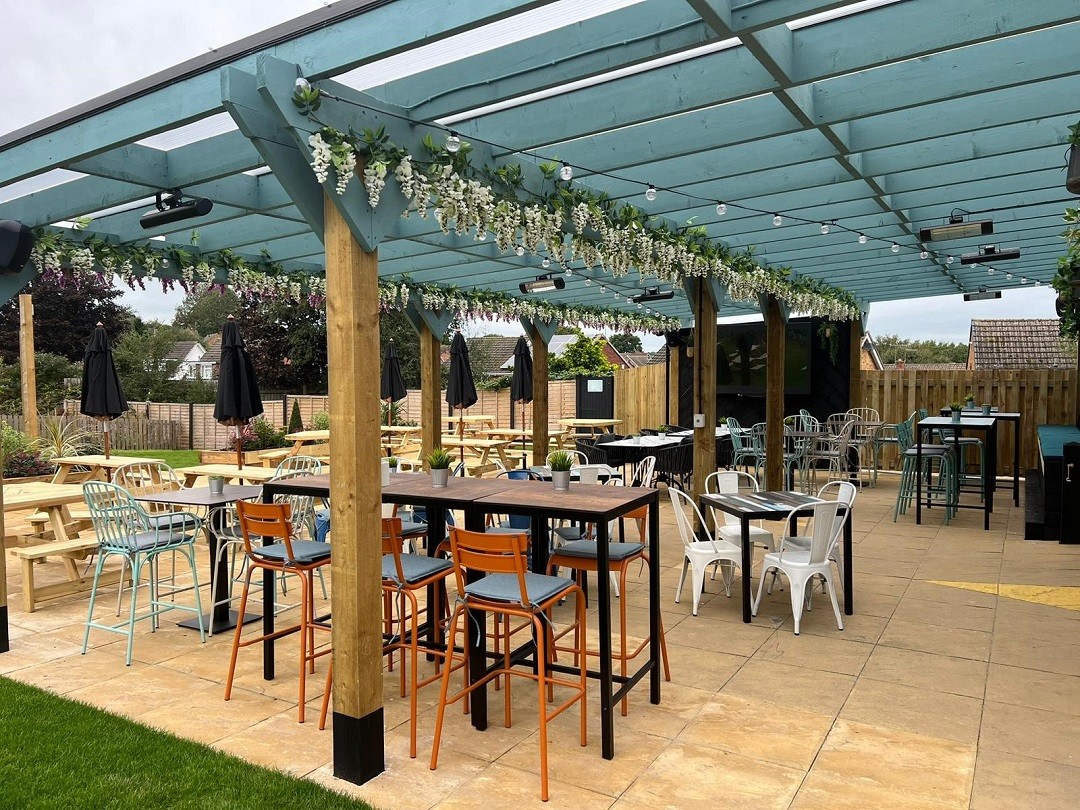
Outdoor Swivel Bar Stools and Stools With Backs: Comfort That Earns Its Keep
Guests judge a patio bar in the first thirty seconds. A stool that swivels lets them turn toward conversation without dragging the frame across the deck. A stool with a back signals that the venue expects them to stay for a second round, not perch and leave.
For outdoor swivel bar stools, specify a sealed swivel mechanism rated for outdoor humidity; an unsealed bearing is a maintenance call waiting to happen. Outdoor bar stools with backs should use a back profile that does not trap water — slat backs and open-weave backrests drain and dry faster than solid upholstered panels. On poolside bars and outdoor counter-height runs, the back height should complement the rail height, not compete with it.
The comfort-to-durability trade-off is real but manageable: a well-specified commercial outdoor metal bar stool does not ask the operator to choose between a back that supports a ninety-minute stay and a frame that survives a rainy Tuesday.
Wholesale Outdoor Bar Stools: Sets, Pricing, and Custom Colors
For multi-location operators and distributors, the buying decision is rarely a single stool. It is an outdoor bar stools set of 4 for a satellite patio, a full bar run for a flagship, or a seasonal refresh across a portfolio. Wholesale outdoor bar stools should be quoted with the same discipline as any other capital item: unit price at the order quantity, minimum order quantity (MOQ), lead time, packaging configuration, and whether the finish is stocked or made-to-order.
Commercial outdoor stool programs typically work from MOQs in the 20-piece range for standard finishes, with tiered pricing as volume increases — for example, reference pricing moving from roughly $62 per unit at 1–20 pieces to the mid-$50s at 20–100 pieces, and lower again above 100 units[reference:3]. Custom colors and frame finishes are where a venue’s brand becomes visible at seat level — but custom color should be confirmed against a physical sample under outdoor light, not a screen rendering. If you are matching stools to existing outdoor bar tables or a specific powder-coat code, send the reference with the inquiry.
As a Bar Furniture Manufacturer and Outdoor Bar Stools Supplier serving hospitality buyers in 160+ countries, CDG Furniture builds commercial-grade outdoor seating around these exact variables: frame alloy, coating system, seat drainage, swivel and back configuration, and order-quantity pricing. For project-specific specifications, start with our Outdoor Bar Stools Wholesale range, or pair your seating plan with Outdoor Bar Tables Wholesale so heights and finishes are confirmed together. If you are furnishing an entire patio, our Outdoor Furniture Wholesale collection covers the full layout.
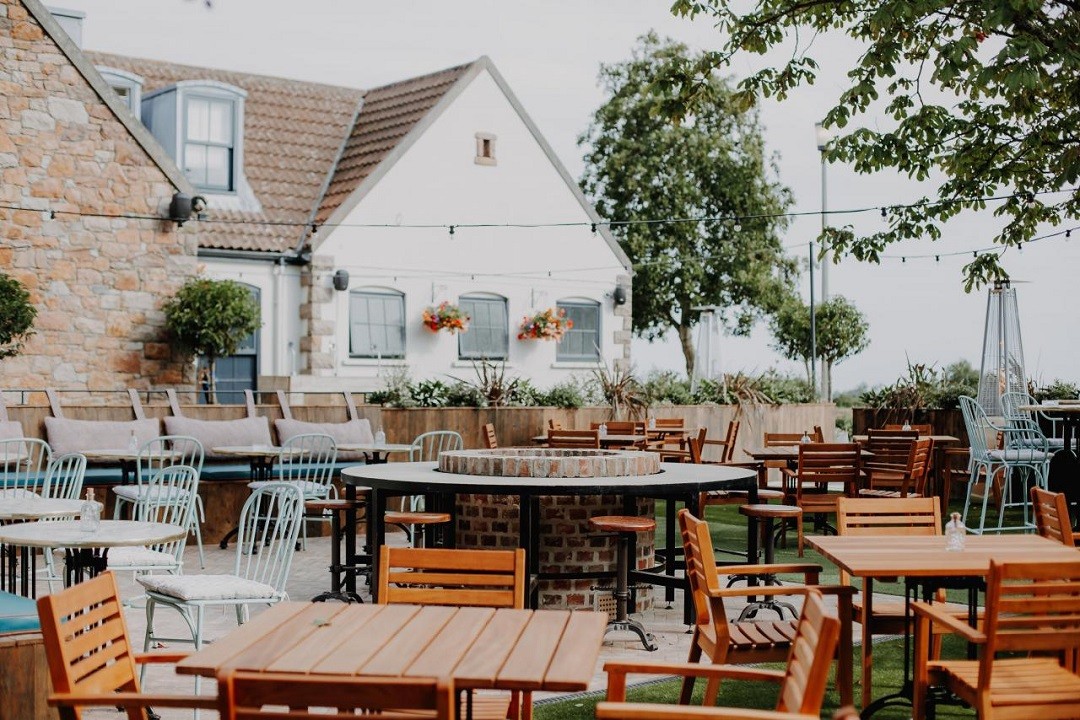
FAQ: How Many Outdoor Bar Stools Do I Need for My Bar?
Measure the usable bar run in inches, divide by 24, and round down. A 120-inch outdoor bar run comfortably seats five stools at the commercial standard; a 144-inch run seats six. For counter-height ledges and rail seating, the same 24-inch-per-seat planning figure applies, but confirm that the surface depth is sufficient for the stool footprint you are specifying. Always order one or two additional units beyond the calculated seat count for replacement and rotation — commercial patios lose a stool to damage or wind events far more often than indoor bars do.
Your Next Step: A Patio Seating Plan Built Around Your Venue, Not a Catalog Page
Before you request pricing, we will put together a Complimentary Patio Seating Specification Brief for your venue — a short, practical document that maps your bar and counter heights to the correct stool types, recommends a material and finish direction based on your climate and exposure, and outlines order-quantity pricing and lead-time ranges for a wholesale program.
To receive it, share four details: your venue type (outdoor restaurant, rooftop bar, poolside club, or hotel terrace), your bar and counter heights, your approximate stool quantity, and your target opening or refresh date. Our team will return a specification brief and a no-obligation wholesale quote within two business days.
Send your patio details to CDG Furniture — and let’s get the heights, materials, and quantities right before the first pallet ships.